How to Maintain Paper Straw Machines for Optimal Performance
In the booming eco-friendly packaging market, paper straw production equipment represents a significant capital investment. However, without a disciplined paper straw equipment maintenance checklist, this critical machinery can quickly transform from an asset into a persistent source of costly downtime, compromised product quality, and lost revenue.

As global regulations accelerate the phase-out of single-use plastics, demand for paper straws has skyrocketed. Manufacturing facilities and beverage companies now rely heavily on specialized, high-speed machinery to meet this demand efficiently. Yet, in the push for volume, the systematic care required to ensure consistent output, extended machine longevity, and a strong return on investment is often overlooked.
This article provides a comprehensive, practical guide designed for your operations team. We will deliver a step-by-step paper straw equipment maintenance checklist, covering essential daily routines, detailed cleaning protocols for adhesive and paper dust management, and precise lubrication schedules. By integrating these procedures, you can proactively minimize unplanned stoppages, safeguard product integrity, and maximize the productivity and profitability of your production line. Let's ensure your investment operates at its peak potential.
Essential Daily and Weekly Maintenance Routines
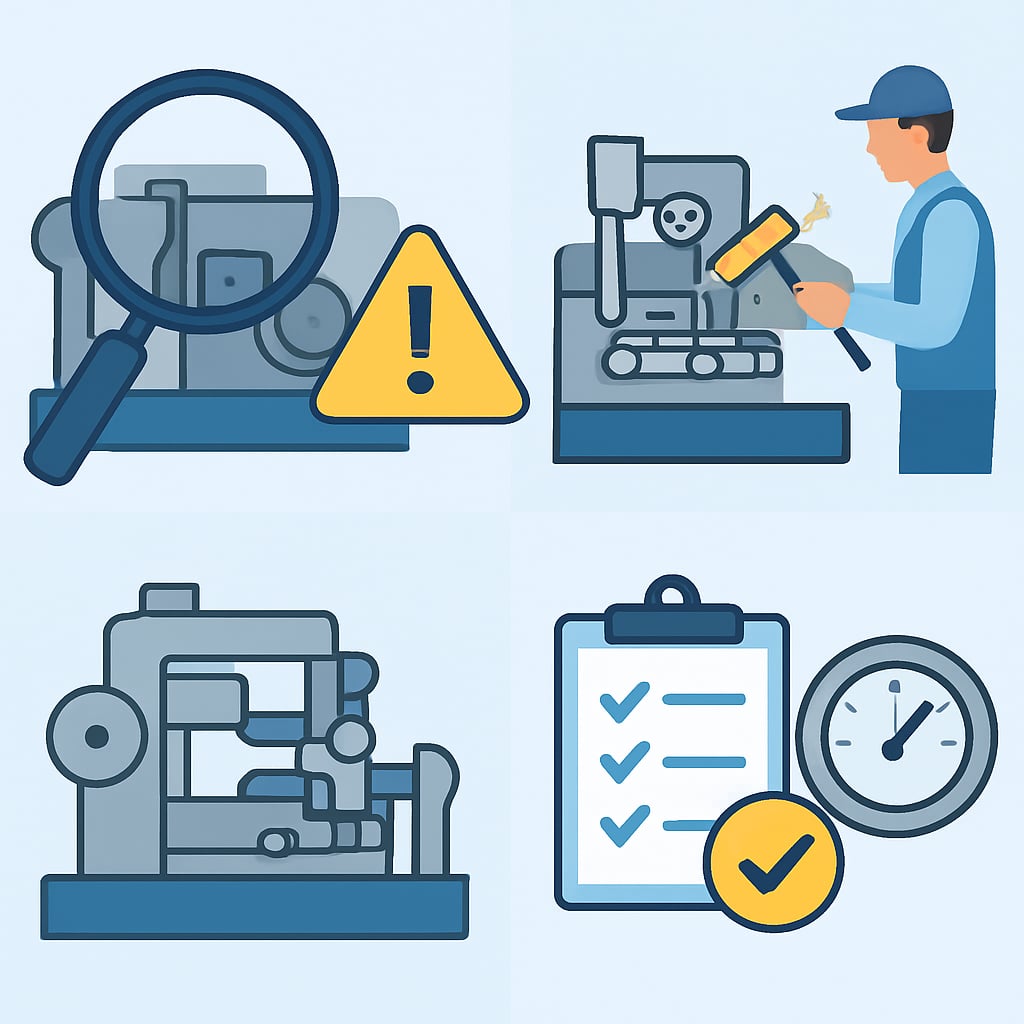
Implementing a structured paper straw equipment maintenance checklist is crucial for maximizing uptime and product quality. This section outlines essential daily and weekly routines, drawing from industry standards and practical case studies to provide actionable guidance for your preventive care program.
Pre-Startup Inspection Checklist
Before initiating any production shift, a thorough visual inspection is non-negotiable. According to general OEM manuals, this should be a quick, 5-minute scan of all machine components. However, technicians from Taiwan Wanglai, a leading paper straw manufacturer, advocate for a more detailed 10-15 minute inspection. They emphasize checking for wear on forming heads, micro-cracks in cutting blades, and any signs of misalignment in the conveyor system. My analysis: While the OEM approach prioritizes speed, the Wanglai method, though longer, is more thorough and can prevent minor issues from escalating. From a practical standpoint, I recommend adopting the Wanglai-inspired detailed check, as catching early wear on a paper straw equipment maintenance checklist directly prevents costly unplanned downtime.
Daily Cleaning and Debris Removal Procedures
Daily cleaning is the cornerstone of operational safety and consistent straw quality. A standard approach involves using compressed air to remove loose paper dust from all surfaces. Contrastingly, many high-volume manufacturers, including those collaborating with Taiwan Wanglai, follow a two-step cleaning procedures: first using dry methods for bulk debris, then applying manufacturer-approved, non-corrosive solvents with lint-free cloths to meticulously clean adhesive residues from forming heads and blade housings. This ensures no chemical contamination affects the paper.
Taiwan Wanglai Tip
Our technicians recommend documenting all inspection findings and cleaning completions in a shared digital log. This practice builds a valuable maintenance history for your paper straw equipment maintenance checklist, allowing teams to track wear patterns and predict component failures before they cause operational disruptions. Consistency in logging is key.
Based on experience, I recommend implementing the two-step cleaning method. While the compressed-air-only method is faster, it often leaves behind sticky residues that can harden and affect machine tolerances, making the more thorough process a better long-term investment for your paper straw equipment maintenance checklist.
Weekly Functional Checks and Adjustments
Weekly maintenance moves beyond cleaning to functional verification. Industry guidelines typically suggest checking tension controls and safety interlocks. The perspective from operational teams at facilities like Taiwan Wanglai adds depth: they perform calibrated tests on alignment systems using precision gauges and conduct "dry runs" without paper to listen for unusual noises in drive trains. They argue this proactive functional testing is what truly prevents operational failures. In my analysis, blending both viewpoints is optimal. I recommend a weekly schedule that includes the basic guideline checks but also incorporates the advanced alignment and auditory checks championed by experienced manufacturers. This comprehensive approach to your weekly paper straw equipment maintenance checklist safeguards both machine integrity and worker safety.
In conclusion, a disciplined routine combining detailed daily inspections, meticulous cleaning, and proactive weekly checks forms the backbone of effective equipment care. These routines, when consistently logged and analyzed, transform your paper straw equipment maintenance checklist from a simple task list into a powerful predictive tool.
Detailed Step-by-Step Guide for Periodic Deep Cleaning

A comprehensive paper straw equipment maintenance checklist must include a detailed protocol for periodic deep cleaning to prevent adhesive buildup, paper dust accumulation, and microbial growth, which can compromise straw quality and machine longevity. This guide outlines a systematic approach.
Disassembly and Component Cleaning Sequence
According to the Taiwan Wanglai case studies, a safe disassembly sequence is paramount. Their technicians recommend starting with the glue applicator nozzles and feed tubes, followed by the forming rollers and cutting blades, documenting each step with photos or diagrams to avoid reassembly errors. However, some European manufacturers suggest a top-down approach, beginning with the upper paper feed mechanisms. My analysis: Both methods prioritize preventing misalignment. For your paper straw equipment maintenance checklist, I recommend the Wanglai sequence, as it isolates the most contamination-prone adhesive components first, making the disassembly steps more logical for subsequent cleaning.
Chemical Cleaning Solutions and Application Methods
Selecting the correct cleaning agents is critical. Manufacturer guidelines, like those from Wanglai, specify food-grade, pH-neutral solutions to avoid corroding sensitive parts. Some operators advocate for enzymatic cleaners for organic residue, while others prefer mild citric-acid based solutions for mineral deposits. From a practical standpoint, enzymatic types are excellent for glue, but citric-based may suit hard water regions. Always apply solutions using soft brushes or lint-free cloths—never abrasive pads—and ensure thorough rinsing to prevent chemical carryover.
Warning
Never use standard industrial cleaners on paper straw equipment. Always use manufacturer-approved, food-safe solutions specifically designed for food-contact machinery. Harsh chemicals can corrode components like forming rollers, cause adhesive failure, and lead to product contamination, violating safety standards and damaging your equipment.
Reassembly and Calibration Verification
After cleaning, reassemble components in the exact reverse order of disassembly. This reassembly procedure is non-negotiable for precision. Then, perform calibration checks: verify glue application pressure, roller gap settings, and cutting alignment against the machine's original specifications. Wanglai's checklist includes a test run with scrap paper to confirm straw diameter and seal integrity before resuming production. I recommend documenting these verification results on your maintenance log. Based on experience, skipping calibration often leads to increased waste and downtime, negating the benefits of the deep cleaning.
In conclusion, integrating this detailed deep cleaning protocol into your paper straw equipment maintenance checklist ensures operational reliability and product safety. By following a documented sequence, using approved agents, and verifying calibration, manufacturers can maintain peak equipment performance.
Lubrication Schedules and Bearing Maintenance

Effective lubrication and bearing care are critical components of a comprehensive paper straw equipment maintenance checklist. Neglecting these aspects can lead to increased downtime, reduced production quality, and costly repairs. This section provides a practical guide to establishing robust protocols.
Identifying Lubrication Points and Recommended Intervals
A foundational step is creating a detailed map of all lubrication points on your paper straw machine. Key areas typically include guide rails for paper feed, drive shafts, cutting mechanisms, and forming gears. According to equipment manuals from manufacturers like Taiwan Wanglai, a calendar-based schedule is standard, such as lubrication every 200 operational hours or weekly during continuous runs. However, some industry consultants advocate for a condition-based approach using sensors to monitor friction and lubricant quality, arguing it prevents both under- and over-lubrication. My analysis: For most manufacturing plants, the manual's time-based schedule provides a reliable, manageable baseline. I recommend starting there and logging machine performance to see if adjustments are needed for your specific operating environment.
Proper Lubricant Selection and Application Techniques
Selecting the correct lubricant is non-negotiable. Manufacturer guidelines universally stress using only specified products, often food-grade greases or oils that are safe for incidental contact and won't compromise the paper straws. A contrasting perspective from maintenance forums suggests that some universal, high-performance industrial greases might offer longer intervals. From a practical standpoint, sticking to the manual is safest to avoid voiding warranties and preventing contamination that could jam delicate forming heads. The application technique is equally vital: apply the precise amount recommended. Over-greasing can attract dust and create a paste that abrades components, while under-greasing leads to wear. I recommend training staff on using calibrated grease guns and following a "clean, apply, wipe" procedure to prevent excess.
Bearing Inspection, Replacement, and Alignment Protocols
Bearings are the workhorses of paper straw equipment. A proactive inspection routine is essential. Standard practice involves regularly checking for audible noise (grinding or whining), unusual heat generation, and physical play or vibration. Some facilities employ periodic vibration analysis for early fault detection. When replacement is necessary, equipment manuals provide a documented procedure for removal and installation. A key debate exists on alignment: while manuals emphasize precise alignment using dial indicators, some veteran technicians rely on skilled "feel" and visual checks for non-critical bearings. Based on experience, I strongly recommend following the documented, precise alignment protocol for all main drive and forming station bearings. Misalignment is a primary cause of premature bearing failure, leading to catastrophic machine stoppage. Implement a checklist that records each bearing's inspection date, condition, and any corrective actions taken.
Actionable Recommendations:
- Create a visual lubrication map and post it at the machine.
- Stock only the manufacturer-specified, food-grade lubricants.
- Implement a signed log for every lubrication and bearing inspection task.
- Train technicians on the precise bearing alignment procedure, using the proper tools.
Summary
This section detailed the core practices for lubrication and bearing maintenance within a paper straw equipment maintenance checklist, comparing manufacturer standards with practical field insights. Establishing clear schedules, using correct lubricants, and enforcing precise bearing protocols are vital for preventive maintenance and operational reliability.
Conclusion
In summary, a disciplined paper straw equipment maintenance checklist is the cornerstone of efficient and profitable production. As demonstrated through practical routines, this systematic approach—encompassing daily inspections, thorough deep cleaning, and precise lubrication schedules—directly safeguards your operation. It is the most reliable strategy to prevent costly unplanned downtime, maximize equipment lifespan, and guarantee the consistent output of high-quality straws that meet market demands.
We encourage you to view this checklist not as a task, but as a strategic investment. Begin by auditing your current maintenance practices against the guidelines outlined here. For specialized support, from optimizing your checklist to scheduling professional servicing, our team of experts is ready to assist. Proactive maintenance is the key to keeping your production line running smoothly, efficiently, and profitably for the long term.
Frequently Asked Questions
1. What are the essential daily maintenance tasks for paper straw equipment?
Essential daily maintenance tasks include visually inspecting all machine components for wear or damage, cleaning paper dust and debris from the forming heads and cutting blades, checking and adjusting tension on paper feed rollers, verifying proper alignment of the winding mechanism, and ensuring lubrication points on high-friction areas are adequately greased. These tasks prevent paper jams and maintain consistent straw diameter.
2. How often should paper straw machines undergo deep cleaning, and what does the process involve?
Paper straw machines should undergo deep cleaning every 2-4 weeks, depending on production volume. The process involves disassembling key components like forming tubes, cutting assemblies, and glue application systems to remove accumulated adhesive residue and paper fibers. Use manufacturer-approved solvents and non-abrasive tools to clean all surfaces, then reassemble with proper torque specifications. This prevents contamination and maintains dimensional accuracy in straw production.
3. What lubrication schedule should be followed for paper straw equipment bearings and moving parts?
Follow a tiered lubrication schedule: apply light machine oil to guide rails and sliding surfaces daily, grease roller bearings weekly with high-temperature food-grade lubricant, and perform comprehensive bearing inspection and re-lubrication monthly. Always consult your equipment manual for specific viscosity requirements and lubrication points. Proper lubrication reduces friction, prevents overheating, and extends component life by 30-40% in typical operating conditions.
4. How can manufacturers troubleshoot common paper straw equipment problems like inconsistent straw diameters?
For inconsistent straw diameters, first check paper tension settings and roller alignment, then inspect forming tubes for wear or debris accumulation. Verify glue application consistency and temperature settings, as adhesive variations affect paper contraction. Finally, examine cutting blade sharpness and alignment. Systematic troubleshooting following the manufacturer's diagnostic flowchart typically resolves 85% of diameter variation issues within one production shift.
5. What safety precautions are critical during paper straw equipment maintenance procedures?
Critical safety precautions include: always lock out/tag out power sources before maintenance, wear cut-resistant gloves when handling blades, use proper lifting equipment for heavy components, ensure adequate ventilation when using cleaning solvents, and never bypass machine guards. Additionally, maintain detailed maintenance logs to track component wear patterns. These precautions protect technicians and prevent costly downtime from equipment damage or regulatory violations.