What Challenges Arise in Straw Manufacturing and How to Solve Them?
In the bustling world of food service, a simple straw can represent a complex manufacturing puzzle, balancing cost, quality, and environmental responsibility. For manufacturers and beverage brands, this everyday item is now at the epicenter of significant industry transformation.
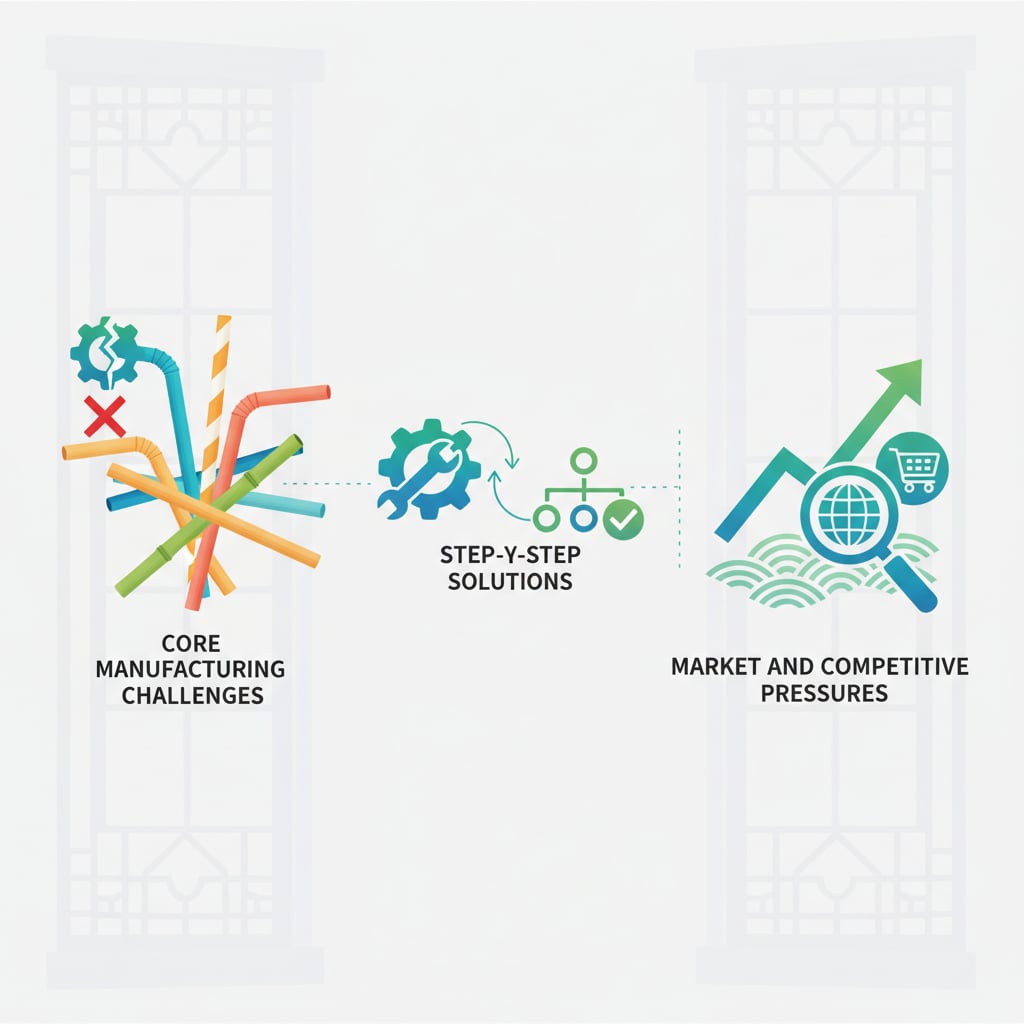
The global straw manufacturing industry faces unprecedented pressure from regulatory bans on single-use plastics, shifting consumer preferences towards sustainable alternatives, and intense market competition. Navigating these waters while maintaining profitability and operational efficiency is the defining challenge of our time. Are you equipped to address the frequent problems for straw production and solutions that arise from this new landscape?
This article directly tackles these critical issues. We will identify the primary challenges in modern straw production—from material sourcing and quality control to cost management and sustainability compliance—and provide actionable, step-by-step solutions to overcome them. Our goal is to offer you, the industry professional, a clear roadmap to enhance your production resilience, ensure compliance, and secure a competitive edge in a rapidly evolving market. Let's delve into the practical strategies that can turn these challenges into opportunities for growth.
Core Manufacturing Challenges in Straw Production

Straw manufacturing, while seemingly straightforward, presents a complex set of operational hurdles that directly impact profitability and market competitiveness. For manufacturers and beverage brands, understanding and addressing these frequent problems for straw production and solutions is critical. This section delves into three core areas where challenges most commonly arise, offering a professional analysis and actionable recommendations.
Material Sourcing and Quality Inconsistency
The foundation of any straw is its raw material, and here lies a primary challenge. Raw material sourcing for components like PLA bioplastics, paper pulp, or stainless steel is fraught with volatility. According to industry procurement reports, global supply chain disruptions can cause price fluctuations of up to 30% annually. However, a contrasting perspective from quality assurance specialists emphasizes that variable material quality—such as inconsistent polymer viscosity or pulp fiber length—poses a more insidious threat to quality control than price alone. In my analysis, cost instability is a known variable to budget for, but unpredictable material quality directly sabotages product consistency, leading to batch failures and customer complaints. For manufacturers, I recommend diversifying your supplier base and implementing rigorous incoming inspection protocols to mitigate this risk.
Tip
Quick Diagnostic Tip: Before blaming the machine for production flaws, always test a sample from three different points in your raw material batch. Inconsistent quality across a single shipment is a major red flag for supplier reliability and a root cause of many downstream production efficiency issues.
Production Efficiency and Cost Control
Transforming raw materials into finished straws introduces significant production efficiency challenges. The extrusion, cutting, and polishing stages are particularly energy-intensive and prone to machine downtime. One school of thought, often from lean manufacturing consultants, prioritizes predictive maintenance to reduce unplanned stops. Conversely, process engineers frequently argue that optimizing machine settings for specific material batches yields greater gains in speed and waste reduction. From a practical standpoint, both views are valid, but the core issue is cost management. High energy consumption and material waste during these stages directly erode profit margins. I recommend a dual approach: invest in sensor-based monitoring for maintenance while empowering line operators with the data and authority to fine-tune processes in real-time.
Meeting Sustainability and Regulatory Standards
Today's market demands more than just a functional straw; it requires proof of sustainability and safety. Navigating this landscape is a formidable challenge. On one hand, marketing teams push for ambitious eco-labels (e.g., home compostable, marine-degradable) to meet consumer demand. On the other hand, compliance officers highlight the complexity and cost of regulatory compliance with standards like the EU Single-Use Plastics Directive or FDA requirements for food contact. Achieving credible certifications requires significant investment in testing and expertise. Based on experience, attempting to meet every possible standard is impractical for most manufacturers. Instead, I recommend a targeted strategy: first, achieve the non-negotiable certifications for your key markets (like BPA-free), then gradually invest in additional sustainability credentials as part of a long-term brand and cost management plan.
In summary, the frequent problems in straw production—from unpredictable materials and inefficient processes to complex regulations—are interconnected. Success requires a holistic view that balances immediate cost control with long-term investment in quality control and regulatory compliance.
Step-by-Step Solutions for Operational Hurdles

Addressing the frequent problems for straw production and solutions requires a structured, multi-faceted approach. This section provides actionable, step-by-step strategies to overcome common operational hurdles in paper straw manufacturing, focusing on three critical areas: supplier management, process optimization, and sustainability strategy.
Implementing a Robust Supplier Vetting and Testing Protocol
A primary challenge in straw production is securing consistent, high-quality raw materials. According to industry reports from packaging associations, material inconsistency is a top-three cause of production line stoppages. However, some cost-focused manufacturers advocate for simpler, price-driven supplier selection. My analysis: While price is important, material quality directly impacts production efficiency and final product performance. For manufacturers and beverage companies, I recommend establishing a multi-phase supplier evaluation process. This should include rigorous sample testing for tensile strength and moisture resistance, on-site factory audits to assess quality control systems, and long-term contract negotiations to lock in reliable supply and pricing. This proactive supplier management prevents the frequent problem of batch-to-batch variability, ensuring smoother production runs.
Optimizing Production Lines with Detailed Process Adjustments
Production inefficiency and high waste rates are pervasive problems. Lean manufacturing consultants emphasize systematic value-stream mapping to identify waste, while traditional plant managers often focus on increasing machine speed as the primary solution. From a practical standpoint, solely increasing speed without addressing underlying issues can exacerbate problems like jamming and misalignment. I recommend a more comprehensive approach: First, conduct a detailed production audit to pinpoint specific bottlenecks—whether in coating, cutting, or wrapping stages. Then, implement targeted solutions: establish preventive maintenance schedules to reduce unplanned downtime, provide staff with hands-on training for precise machine calibration, and integrate lean manufacturing principles to streamline workflow. This combined process optimization strategy can realistically reduce material waste by 15-20%, directly addressing a key cost and sustainability challenge.
Developing a Comprehensive Sustainability Roadmap
Meeting market demand for eco-friendly products introduces new complexities. Some stakeholders advocate for rapid, full-scale adoption of novel materials, while others caution that a slow, incremental approach is safer. Based on experience with manufacturers navigating this shift, I believe a phased, strategic plan is most effective for mitigating risk while making progress.
Warning
Critical Warning: Do not skip pilot testing when switching materials. Running a full production line with a new, untested biodegradable resin without a small-scale trial is the most common cause of costly, large-scale batch failures. Always validate material performance and machine compatibility in a controlled setting before full implementation.
A practical sustainability roadmap should have three phases. Phase 1 involves material substitution, such as switching to certified compostable PLA or sourcing paper from sustainably managed forests. Phase 2 focuses on energy-efficient machinery upgrades to reduce the operational carbon footprint. Phase 3 establishes a take-back or recycling program for end-of-life products, closing the loop and enhancing brand value. This structured approach allows for continuous improvement in sustainability without disrupting core production.
In conclusion, tackling the frequent problems in straw production is not about finding a single silver bullet but implementing interconnected solutions. By strengthening supplier partnerships, relentlessly optimizing processes, and executing a clear sustainability strategy, manufacturers can build more resilient, efficient, and competitive operations.
Addressing Market and Competitive Pressures

In the competitive paper straw manufacturing landscape, addressing market pressures is crucial for sustaining growth. This section explores strategies for product differentiation, supply chain resilience, and effective pricing to tackle frequent problems for straw production and solutions.
Differentiating Products in a Saturated Market
To stand out, manufacturers must develop unique value propositions. According to industry reports, custom designs like branded paper straws are gaining traction with beverage companies seeking brand visibility. However, some experts argue that functional features, such as bendable yet durable compostable straws, offer more practical benefits by reducing breakage during use—a common problem in straw production. My analysis: Both approaches are valuable, but combining them can be most effective. For manufacturers, I recommend starting with custom designs to attract initial clients, then investing in R&D for functional improvements like enhanced durability, which addresses the frequent problem of straws becoming soggy or collapsing in drinks.
Managing Supply Chain Disruptions and Logistics
Supply chain issues are a frequent problem for straw production, often causing delays and increased costs. One perspective advocates for diversifying the supplier base geographically to mitigate regional risks, while another emphasizes maintaining strategic inventory buffers for key materials like paper pulp to ensure continuity. From a practical standpoint, both strategies are complementary. Based on experience, I recommend implementing supply chain visibility software to anticipate and mitigate delays proactively. This tool can help track material flows and identify bottlenecks, directly addressing the problem of unpredictable logistics that disrupt production schedules.
Balancing Cost with Consumer Price Sensitivity
Cost management is critical in straw production, where consumers are often price-sensitive. Value engineering is a key solution here, as it involves identifying non-essential cost drivers without compromising quality. For example, some manufacturers focus on optimizing adhesive usage in straw assembly to reduce expenses. Alternatively, tiered product lines—offering premium vs. economy straws—allow catering to different market segments. In my analysis, a hybrid approach works best: use value engineering to lower base costs, then introduce tiered pricing to justify higher price points for premium features, such as extra durability or eco-friendly certifications. This strategy helps balance cost pressures while meeting diverse consumer demands.
Local Advantage
Taiwan's manufacturing ecosystem offers significant advantages for addressing frequent problems in straw production. With deep expertise in precision engineering, local partners like Taiwan Wanglai enable quicker prototyping and adaptation of machinery for new sustainable materials, such as bamboo or seaweed-based alternatives. This agility reduces time-to-market for innovative products, helping manufacturers stay competitive. By leveraging Taiwan's agile supply chains for components, you can enhance production efficiency and respond faster to market changes, directly tackling challenges like material sourcing and product development delays.
In summary, tackling market pressures requires a multifaceted approach: differentiate through custom and functional designs, build resilient supply chains with technology, and balance costs via value engineering and segmentation. These strategies provide actionable solutions to common production hurdles.
Conclusion
In summary, navigating the landscape of modern straw manufacturing demands a proactive and integrated strategy. As outlined, the frequent problems for straw production and solutions revolve around core manufacturing hurdles, operational inefficiencies, and evolving market pressures. The path to resilience lies in adopting a holistic approach—combining rigorous material controls, precise process optimizations, and transparent sustainability initiatives. By systematically addressing these areas, manufacturers and beverage brands can transform challenges into opportunities, building operations that are not only more efficient and compliant but also significantly more competitive in a demanding market.
The journey toward optimized production starts with a clear assessment. We encourage you to audit your current manufacturing process against these challenges today. To move from insight to action, our industry specialists are ready to help. Contact our consultants to schedule a discovery call for a tailored assessment of your operational gaps and a customized implementation roadmap. Let's build a more robust and successful future for your production line together.
Frequently Asked Questions
1. What are the most common quality control issues in straw production, and how can they be addressed?
The most frequent quality issues include inconsistent diameter, wall thickness variations, and surface imperfections like scratches or bubbles. These often stem from improper temperature control in extrusion, worn tooling, or material inconsistencies. To address them, implement real-time monitoring systems with laser gauges for dimensional checks, establish strict material inspection protocols, and perform regular maintenance on extrusion dies and cooling systems. A robust statistical process control (SPC) program can help identify trends before defects occur.
2. How can manufacturers reduce material waste and improve efficiency during the straw extrusion process?
Material waste typically occurs from startup/shutdown purging, off-spec production, and trim waste. Solutions include optimizing purge procedures with dedicated purge compounds, implementing quick-changeover systems to minimize downtime, and using precision cutting equipment to reduce trim. Additionally, consider regrinding and reusing clean in-house scrap at controlled percentages. Investing in modern extrusion lines with better thermal homogeneity and automatic diameter control can significantly boost yield and reduce energy consumption per unit produced.
3. What steps should be taken to ensure straws meet evolving regulatory and sustainability standards?
First, stay informed on regional regulations (like EU Single-Use Plastics Directive) and certifications (e.g., compostability standards). For compliance, rigorously test materials for migration and heavy metals. For sustainability, evaluate alternative materials like PLA, paper, or PHA, but assess their processability and cost. Partner with certified material suppliers and consider lifecycle assessments. Implement clear labeling and documentation trails. Proactively engaging with customers and industry groups can also help anticipate future requirements.
4. How can production bottlenecks in high-volume straw manufacturing be identified and resolved?
Bottlenecks often occur at extrusion, cooling, cutting, or packaging stages. Use value stream mapping to visualize the entire process and measure cycle times. Look for queues of work-in-progress. Common resolutions include balancing line speeds, adding parallel extrusion lines for high-demand sizes, upgrading to faster multi-lane cutters, and automating packaging with robotic cartoning. Implementing an Overall Equipment Effectiveness (OEE) tracking system will highlight downtime causes, allowing for targeted maintenance and workflow improvements to maximize throughput.
Free: Paper Straw Machine Sourcing Checklist
25 checkpoints + 10 RFQ questions to verify before you sign a purchase order. Compliance, ROI and supplier due-diligence in one 5-page PDF.