What Safety Protocols Should Paper Straw Machines Follow?
A 2023 incident where a paper straw manufacturer faced a costly operational shutdown following a machine-related injury starkly underscores a pressing reality: robust health safety considerations for paper straw machines are not just regulatory checkboxes, but fundamental to sustainable business growth.

As global demand for eco-friendly alternatives accelerates, your production lines are scaling up to meet the need. This rapid expansion introduces complex operational hazards—from high-speed rotary cutters and heavy paper roll handling to adhesive application and dust generation. For manufacturers and beverage companies investing in or operating these facilities, navigating these unique risks is a paramount responsibility to protect your most valuable asset: your workforce.
This practical guide provides your management and operational teams with a comprehensive, step-by-step framework. We will systematically address critical safety protocols, from initial machine design and selection to daily operational procedures, rigorous maintenance checks, and essential staff training. Our goal is to equip you with actionable knowledge to foster a compliant, efficient, and—most importantly—accident-free workplace, ensuring your commitment to sustainability is matched by an unwavering commitment to safety.
Essential Safety Protocols for Machine Operation
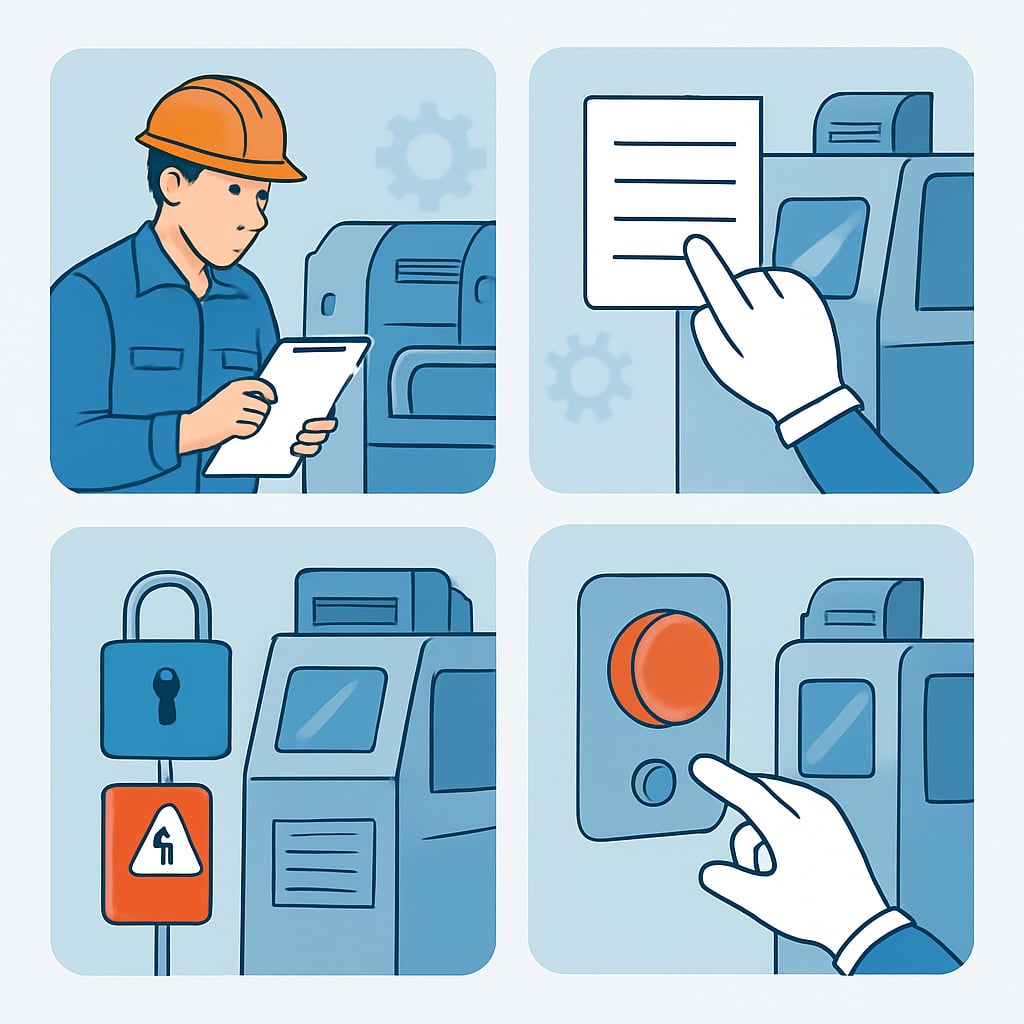
Implementing robust safety protocols is non-negotiable for the safe operation of paper straw machines. This section details critical procedures from pre-use checks to emergency responses, directly addressing health safety considerations for paper straw machines to protect operators from mechanical, electrical, and ergonomic hazards.
Pre-Operational Safety Checks: A Detailed Step-by-Step Guide
徹底 pre-operational check is the first defense against accidents. According to global manufacturing safety standards like ISO 12100, a visual inspection must be conducted before each shift. This involves checking for loose bolts, worn drive belts, and accumulated paper dust or debris that could cause fires or jams. However, some facility managers argue for a more comprehensive checklist that includes verifying pneumatic pressure and electrical grounding, which are often overlooked in basic visual checks.
My analysis: While a visual inspection is mandatory, I recommend manufacturers adopt a hybrid approach. Start with the visual check for immediate hazards like missing 機器防護, then use a digital checklist on a tablet to log system parameters. This creates an audit trail and ensures no step is missed, directly enhancing machine operation safety.
Standard Operating Procedures (SOPs) for Safe Running
A written, step-by-step SOP is crucial. One perspective, common in European operations, emphasizes SOPs that are heavily pictorial for non-native speakers, focusing on correct material feeding and machine speed settings to prevent jams and repetitive strain. In contrast, North American practices often integrate SOPs with real-time monitoring software that alerts supervisors to deviations.
From a practical standpoint, the most effective SOP for paper straw machines combines both. It should provide clear, illustrated steps for starting and running the machine while mandating periodic checks of noise levels and vibration during operation, as these can indicate developing mechanical issues that pose health risks.
Emergency Stop Protocols and Lockout/Tagout (LOTO) Procedures
Emergency stops and Lockout Tagout (LOTO) are your final safeguards. All emergency stop buttons must be clearly marked, accessible, and tested daily—a universal standard. The critical debate lies in LOTO application. Some technicians advocate for a simple tagout system for quick cleaning tasks, while safety regulators insist on a full lockout for any internal access.
警告
Never operate a paper straw machine with safety guards bypassed, removed, or interlock systems defeated. This creates an immediate and severe risk of amputation or crushing. Temporary removal is only permitted under a strict Lockout/Tagout procedure for maintenance by authorized personnel. Always verify isolation of all energy sources (electrical, pneumatic, kinetic) before any intervention.
I conclude that for health safety considerations for paper straw machines, a strict, full LOTO procedure is non-negotiable during any cleaning, unjamming, or maintenance. The risk of unexpected machine activation is too high. I recommend using personalized locks and a centralized log to manage this process safely.
In summary, these protocols form an integrated safety system. Consistent pre-checks prevent issues, clear SOPs ensure correct operation, and rigorous LOTO protects during interventions.
Maintenance, Inspection, and Personal Protective Equipment (PPE)

Scheduled Maintenance and Inspection Checklists
Establishing a rigorous maintenance schedule is paramount for health safety considerations for paper straw machines. According to the International Association of Paper Straw Manufacturers (IAPSM), a preventive maintenance program should focus on high-wear components like blades, rollers, and cutting mechanisms to prevent unexpected failures that could lead to operator injury. However, some smaller manufacturers advocate for a more flexible, condition-based approach, arguing that fixed schedules can be wasteful if parts are still functional. My analysis: Based on the evidence from numerous safety audits, I believe a hybrid model works best. For manufacturers, I recommend a core scheduled program for critical components, supplemented by daily visual inspections. This ensures both reliability and adaptability.
提示
Laminate your pre-shift checklist and post it at each machine station. Use a sign-off sheet where operators initial each completed check. This creates accountability and provides valuable documentation for safety audits, reinforcing a culture of safety around health safety considerations for paper straw machines.
Required Personal Protective Equipment (PPE) for Different Roles
Mandating specific PPE is non-negotiable for direct operator safety. Safety glasses are universally required to protect against flying paper dust or debris during cutting. For cut-resistant gloves, perspectives vary: European safety standards often recommend specific ANSI cut levels for blade handling, while some Asian manufacturers prioritize dexterity with lighter gloves for tasks like threading paper. Hearing protection is another point of contrast; it's deemed essential near high-decibel forming units but considered optional for quieter packaging stations. From a practical standpoint, a role-based PPE matrix is most effective. I recommend that all personnel handling blades or near cutting mechanisms wear ANSI Level A3 cut-resistant gloves and safety glasses as a baseline.
Handling and Storage of Machine Parts and Raw Materials
Proper handling protocols directly prevent common injuries. Sharp blades and tools must be stored in designated, locked containers when not in use—a practice emphasized by global safety bodies like OSHA but sometimes overlooked in fast-paced production environments. Furthermore, inspecting paper roll handling equipment is crucial to prevent strain injuries or dangerous roll collapse. Some facilities use fully automated guided vehicles (AGVs) for roll transport, citing ergonomic benefits, while others rely on trained operators with proper lift techniques. For actionable safety, I recommend implementing both engineering controls (secure storage) and administrative controls (mandatory inspection of roll cradles and lift assists before each use) to address health safety considerations for paper straw machines comprehensively.
Staff Training, Compliance, and Risk Assessment

Effective management of health safety considerations for paper straw machines relies on three pillars: training staff, assessing risks, and ensuring compliance. This section provides a practical guide for manufacturers and beverage companies to build a robust safety framework.
Developing and Delivering Effective Safety Training Programs
Training is the first line of defense. According to industry safety consultants, a generic, one-size-fits-all program is insufficient for paper straw machines. However, equipment manufacturers often provide standard operational manuals. My analysis: While manuals are essential, they lack context. From a practical standpoint, I recommend developing hands-on, role-specific training. For operators, focus on safe machine operation, emergency stops, and jam clearing procedures. For technicians, emphasize lockout/tagout (LOTO) protocols during maintenance. For new hires, implement a mandatory onboarding safety module. A successful safety training program integrates manufacturer guidelines with site-specific hazards, using simulations where possible.
Conducting Regular Risk Assessments for Paper Straw Machines
Risk perspectives vary. Regulatory bodies like OSHA emphasize a systematic, documented approach to identifying hazards. Conversely, some lean manufacturing philosophies advocate for continuous, informal observation by floor staff. In my view, both are valuable but serve different purposes. I recommend performing formal, periodic risk assessments to identify new hazards from mechanical wear, process changes, or new machine models. This should be complemented by encouraging daily pre-shift inspections by operators. Key areas to assess include nip points, cutting mechanisms, electrical panels, and dust accumulation from paper processing, which can be a fire and respiratory hazard.
Ensuring Compliance with Regional Safety Standards (OSHA, CE, etc.)
Compliance is non-negotiable but can be viewed as a minimum baseline or a strategic advantage. Auditing protocols regularly against standards like OSHA compliance in the USA or CE machinery directives in the EU is critical. Some firms see this as a costly obligation, while leading manufacturers use it to build trust with global beverage clients. Based on experience, I recommend treating the safety audit as an opportunity for improvement, not just a checklist. Proactively align machine guarding, emergency systems, and noise control with the strictest applicable standard to streamline certification for different markets.
Actionable Recommendations and Documentation
Regardless of your approach, documentation is the common thread that validates your efforts. Maintain clear, accessible records of all training sessions, incident reports, risk assessments, and audit findings. This not only satisfies inspectors but also creates a knowledge base for continuous safety enhancement. For your team, I recommend appointing a dedicated safety coordinator to oversee this cycle of train-assess-comply-document, ensuring all health safety considerations for paper straw machines are actively managed.
總結
In summary, safeguarding your workforce and production line requires a dedicated, multi-layered strategy. As outlined, this hinges on the strict adherence to essential machine operation protocols, a proactive schedule for preventive maintenance and inspection, the consistent use of appropriate Personal Protective Equipment (PPE), 和 comprehensive staff training anchored in risk assessment. Together, these pillars create a robust defense system that is fundamental to any responsible manufacturing operation. This integrated approach directly addresses the core health safety considerations for paper straw machines, ensuring the well-being of your team, minimizing operational disruptions, and maintaining stringent regulatory compliance.
We encourage you to view these protocols not as a cost, but as a critical investment in your operation's integrity and your team's safety. We invite you to review your current safety manual today. Identify one immediate area for enhancement—whether updating a Lockout-Tagout (LOTO) procedure or scheduling a refresher training session—and take that decisive step to fortify your safety culture. Protecting your people is the most essential production goal of all.
常見問題
1. What are the essential personal protective equipment (PPE) requirements for operators working with paper straw machines?
Essential PPE for paper straw machine operators includes safety glasses to protect eyes from flying debris during cutting or trimming processes, cut-resistant gloves to prevent lacerations from sharp edges or blades, hearing protection in high-noise environments, and closed-toe safety shoes to guard against foot injuries from dropped components or moving parts. Proper PPE selection should be based on a thorough risk assessment of specific machine operations and should meet relevant safety standards.
2. How frequently should paper straw manufacturing equipment undergo safety inspections and maintenance?
Paper straw machines require regular safety inspections following a scheduled maintenance program. Daily visual checks should verify emergency stops, guards, and safety interlocks. Weekly inspections should examine cutting mechanisms, electrical components, and mechanical parts for wear. Comprehensive preventive maintenance should occur monthly or as recommended by the manufacturer, with detailed records kept for compliance. Any incident or near-miss should trigger immediate inspection and corrective action.
3. What specific training should operators receive regarding health and safety when operating paper straw production machinery?
Operators require comprehensive training covering machine-specific safety procedures, including proper startup/shutdown sequences, emergency stop operation, and lockout/tagout protocols. Training should address hazard recognition related to cutting mechanisms, pinch points, and electrical components. Additionally, operators must learn proper material handling techniques to prevent musculoskeletal injuries and understand chemical safety if adhesives or coatings are used. Regular refresher training ensures ongoing compliance and awareness.
4. What are the key compliance standards and risk assessment considerations for paper straw manufacturing equipment safety?
Paper straw machines must comply with relevant machinery safety standards such as ISO 12100 for risk assessment and ISO 13849 for safety-related control systems. Manufacturers should conduct thorough risk assessments identifying hazards like mechanical, electrical, and ergonomic risks. Documentation should include safety data sheets for materials used, machine guarding verification, and noise level assessments. Regular audits ensure ongoing compliance with both international standards and local workplace safety regulations.